Panel Emphasises Democracy and Unity on the Eighth Anniversary of 15 July
A panel marking the eighth anniversary of 15 July explored democracy and national unity, with academics assessing the attempted coup’s historical, political, and social effects.
İstanbul Nişantaşı University held a panel on “National Unity and Democracy” marking the eighth anniversary of the treacherous attempted coup of 15 July. Academics assessed its significance in Türkiye’s democratic history and its effects on domestic and foreign politics.
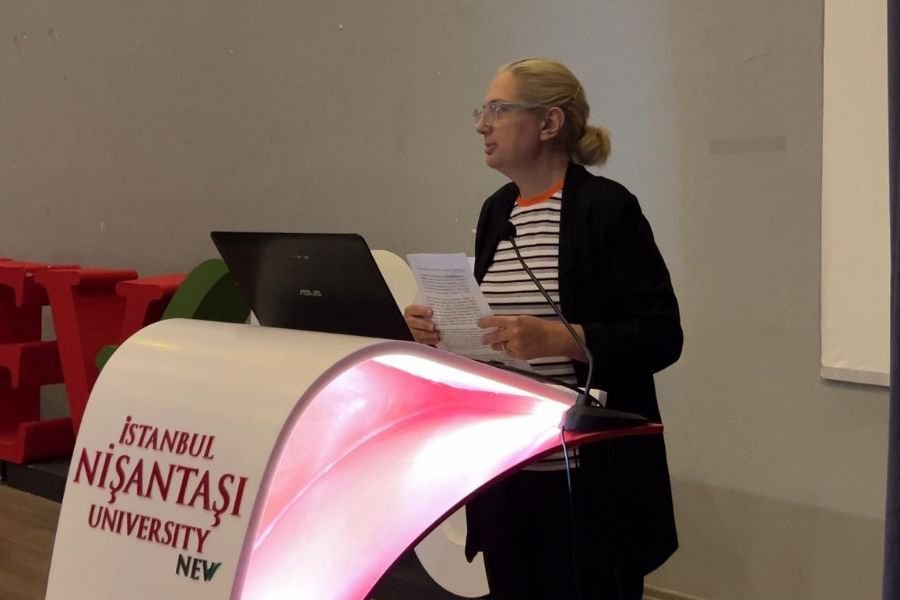
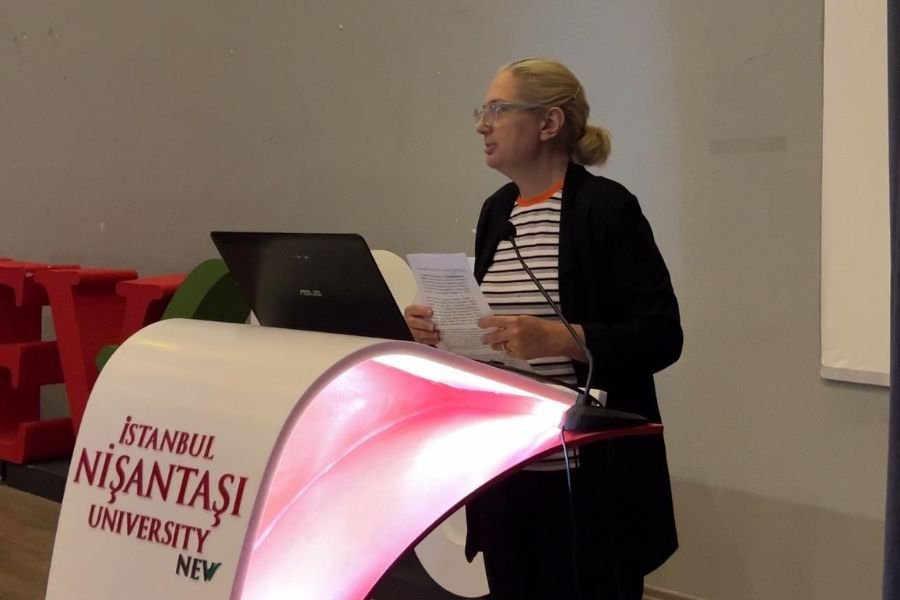
Acting Rector Prof. Dr. Ayşegül K. Çıtıpıtıoğlu opened the panel by commemorating the martyrs and thanking veterans. She explained that the event reaffirmed the victory of democracy and the national will and honoured the heroes who turned a dark chapter into light. Describing 15 July as a symbol of resistance and a nation’s determination to decide its own destiny, she emphasised that the attack on national integrity, independence and democracy was prevented by the people’s heroic response to the President’s call to gather in public squares. She said its prevention through national foresight and political strength gave it a unique historical place, and that civilian democratic resistance marked the beginning of an irreversible new era.
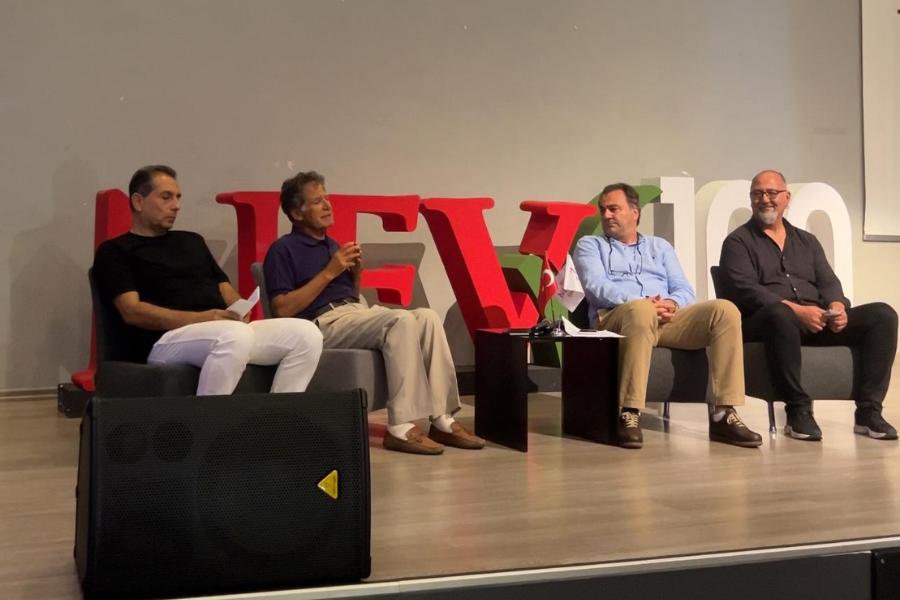
Acting Faculty Dean Prof. Dr. Recep Kök moderated the panel. He described the “Night of Betrayal” as a turning point when the Turkish nation’s foresight and resistance prevented the attempted coup and the people responded to the President’s call to defend democracy. He stressed keeping the national will alive without abandoning science when shaping the nation’s future. He warned that every society can contain people inclined towards betrayal, making vigilance and national foresight essential. He praised the President’s resolute stance and courage and urged vigilance against treacherous organisations attempting to establish parallel structures within society.
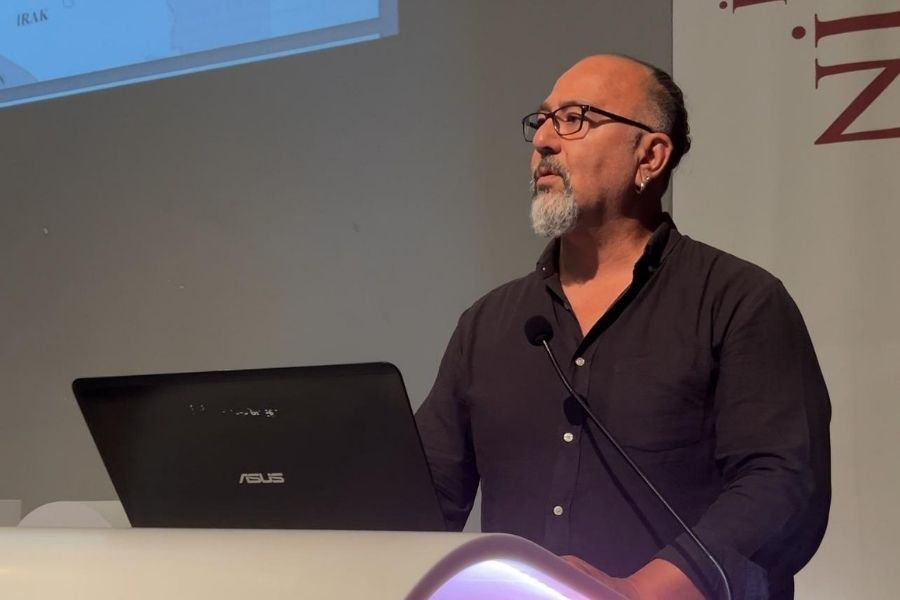
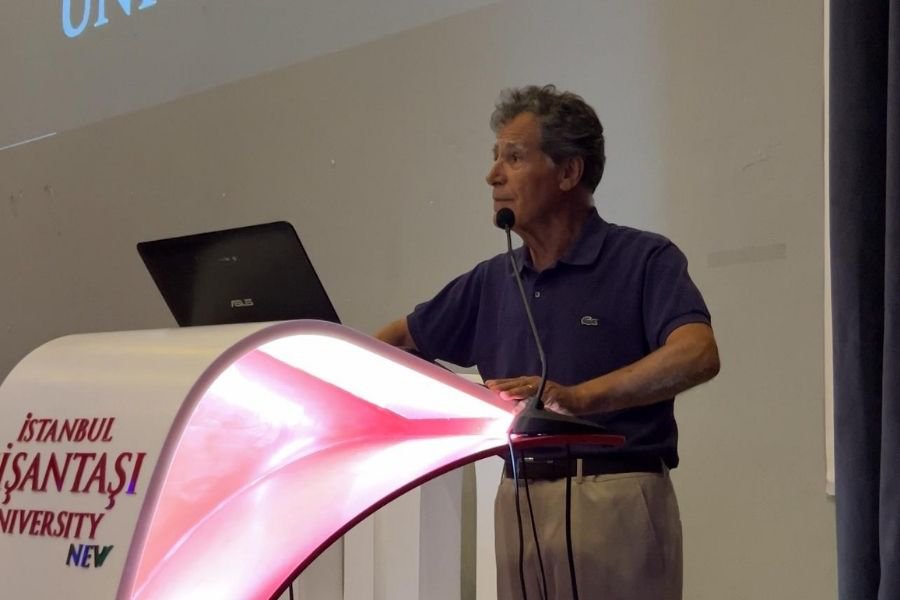
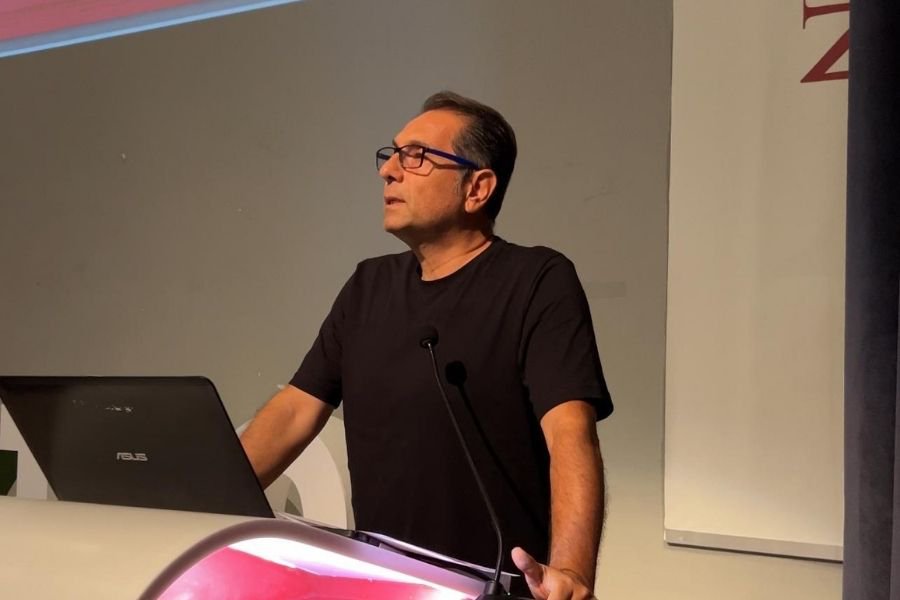
Associate Professor Taceddin Gökhan Özçelik explained that people took to the streets to oppose the 2016 attempted coup, while the plotters tried to conceal their identities and directly attacked the President and Parliament. Associate Professor Ahmet Umut Hacıfeyzioğlu considered the issue through political philosophy, stating that politics rests on speech and persuasion and ends where force and violence begin. He defined political participation as free individuals taking part in the public sphere and described 15 July as a symbol of political resistance. Assistant Professor Hakan Yıldız called for a historical perspective, using past examples to discuss threats to the country and urging greater vigilance and preparedness to protect Anatolia, the Turks’ final homeland.
The panel concluded by emphasising that 15 July once again demonstrated our belief in independence and democracy to the world. Participants affirmed continued unity against those seeking to darken the country’s future and highlighted the opportunity to explain this struggle’s meaning and importance to young people, the guarantors of democracy.
The Rector thanked all participants and speakers, saying that on the eighth anniversary of Democracy and National Unity Day the nation looked to the future with greater confidence. She commemorated the martyrs and expressed gratitude to veterans.