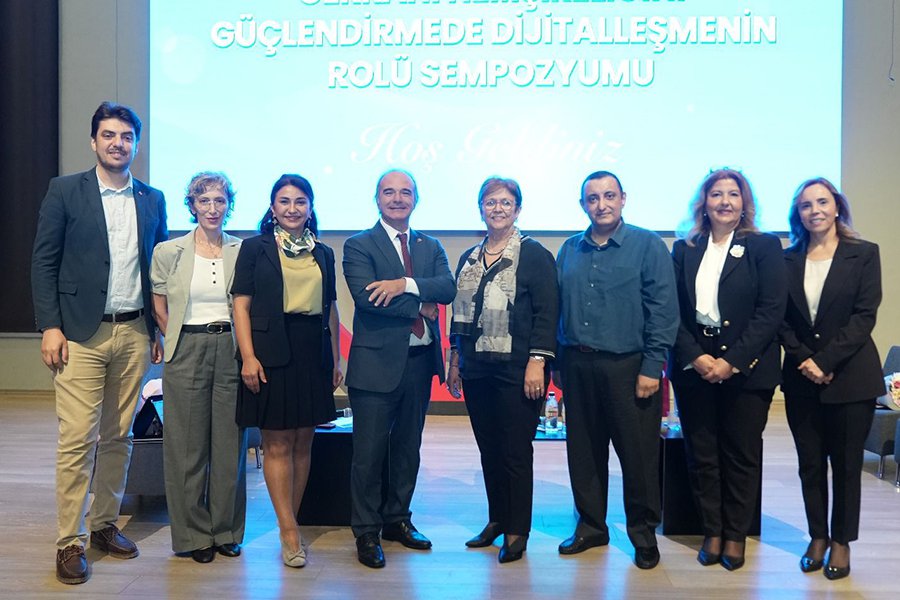
Symposium on the Role of Digitalization in Strengthening Surgical Nursing Held at Istanbul Nişantaşı University
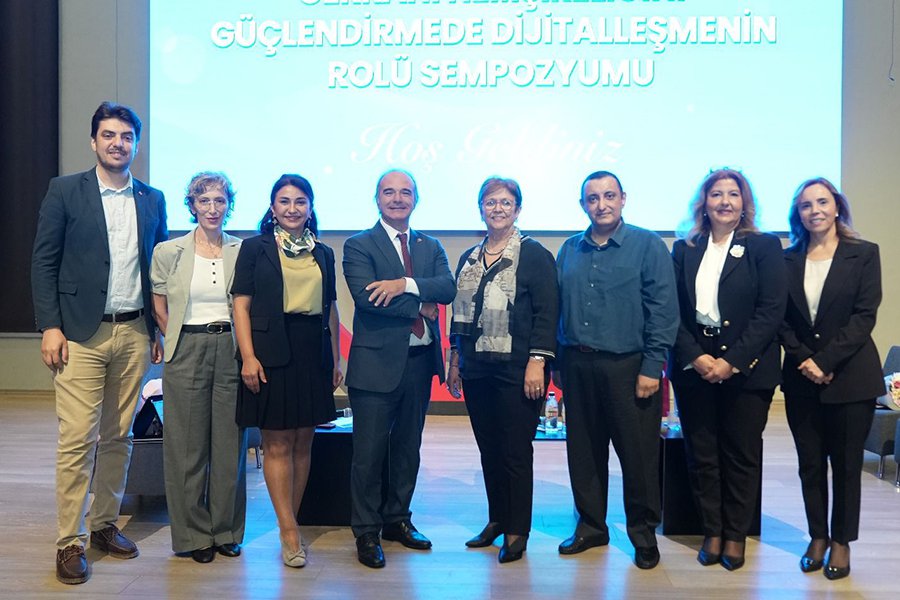
The symposium explored digital transformation in surgical nursing, high-quality education, patient safety and ethical responsibilities. Experts discussed healthcare professionals’ well-being and current technologies as part of professional training.
Professional Training and Digital Transformation in Surgical Nursing
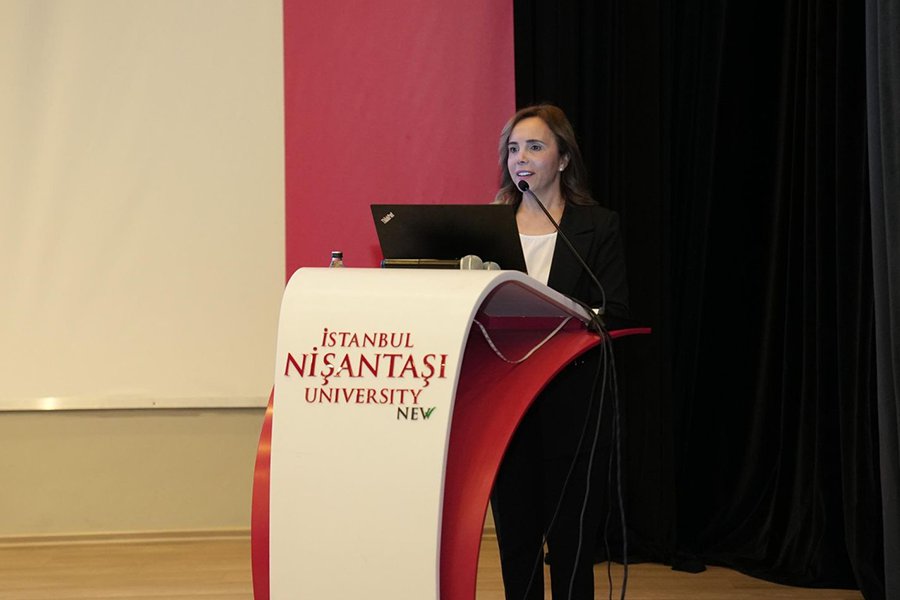
Hosted by Istanbul Nişantaşı University, the “Symposium on the Role of Digitalization in Strengthening Surgical Nursing” began with opening remarks by Head of the Nursing Department Assoc. Prof. Dr. Fadime Çınar. Discussing digitalization’s impact on healthcare systems, adherence to ethical principles and the need for interdisciplinary cooperation, Çınar emphasized that the symposium offered an important opportunity to share current approaches in surgical nursing and support professional development.
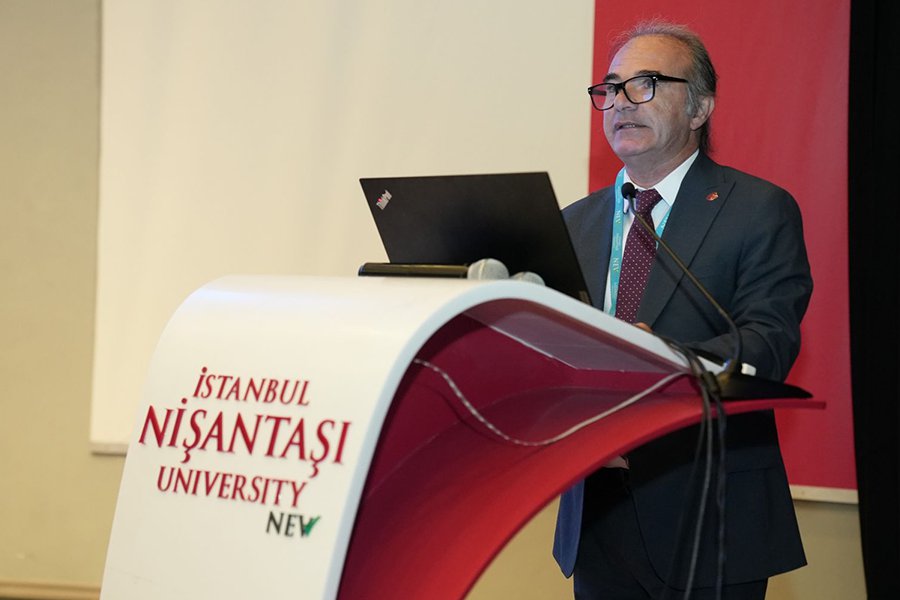
The symposium continued with a speech by Vice Rector Prof. Dr. Uğur Yozgat. Highlighting the healing effects of art, particularly music, in healthcare systems, he stated that art plays an important role in supporting healthcare professionals’ psychological well-being. He noted that musical activities can help reduce professional burnout and support systemic transformation.
The program continued with sessions in which expert academics examined various dimensions of digitalization’s effects on healthcare.
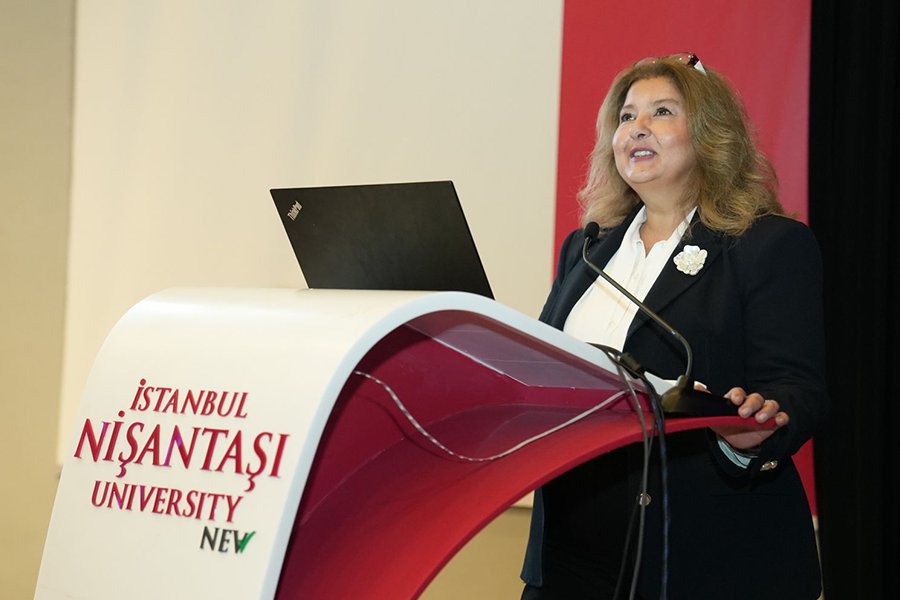
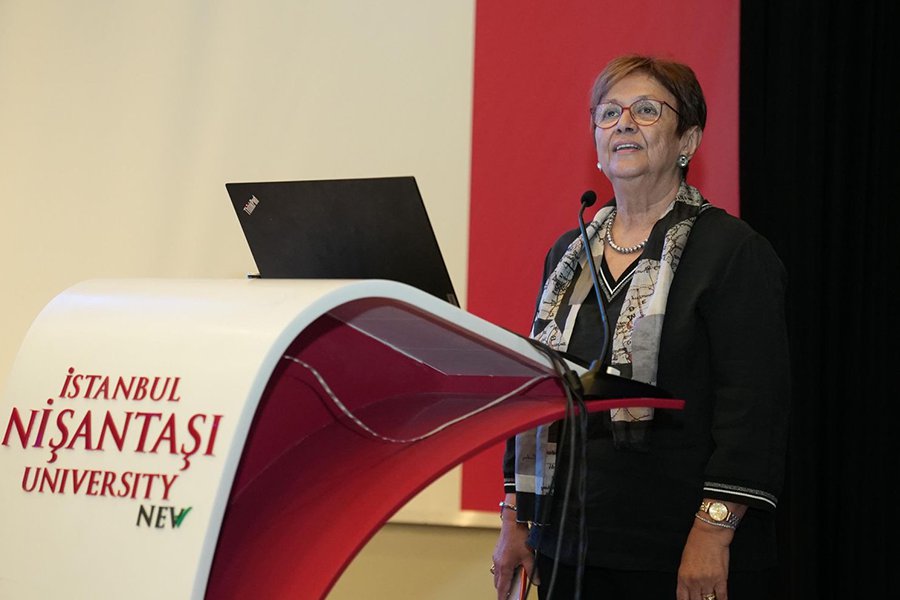
Prof. Dr. Neriman Akyolcu from İstinye University’s Faculty of Health Sciences emphasized that nursing is both a profession and a sacred duty touching human lives. Highlighting the importance of scientifically grounded nursing education based on ethical values, she stated that quality healthcare depends not only on knowledge and skills but also on healthcare workers’ welfare. She concluded by calling for support for policies that enhance nursing’s standing.
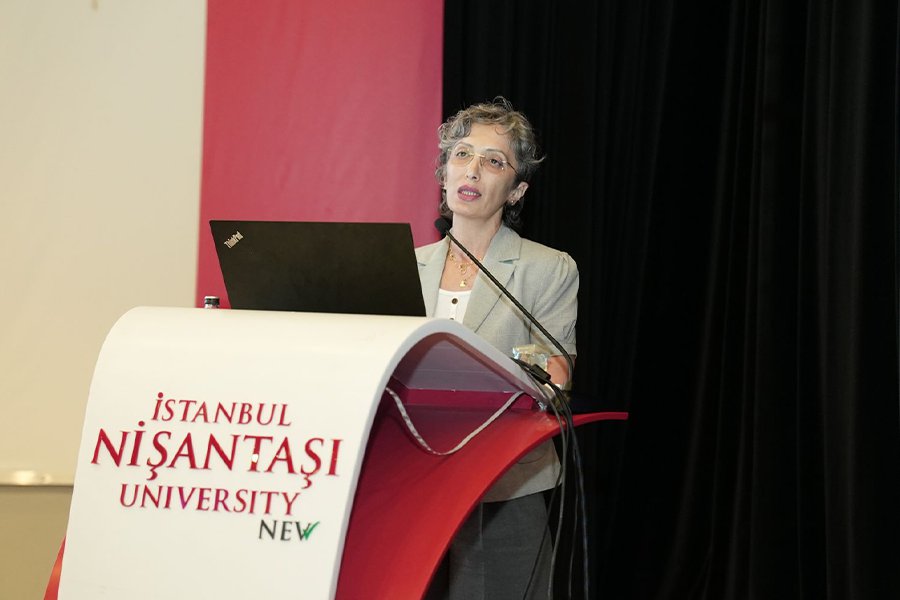
Asst. Prof. Dr. Nurgül Arpag from Istanbul Atlas University’s Faculty of Health Sciences assessed the effects of digital technologies and artificial intelligence in healthcare. She explained that these technologies improve service quality and contribute to access to healthcare and efficient treatment. Digital applications integrated with art support personalized care and help balance healthcare professionals’ workloads. She concluded that using technology more ethically, humanely and effectively is a shared responsibility.
Assoc. Prof. Dr. Yasemin Uslu from Istanbul University’s Faculty of Health Sciences discussed the pandemic’s effects on education and social life. She described this period as both a challenge and an opportunity for adaptation and innovation. Noting that effective use of digital tools supported students’ academic and personal development, she emphasized that education involves not only transferring knowledge but also learning together, developing and preparing for the future.
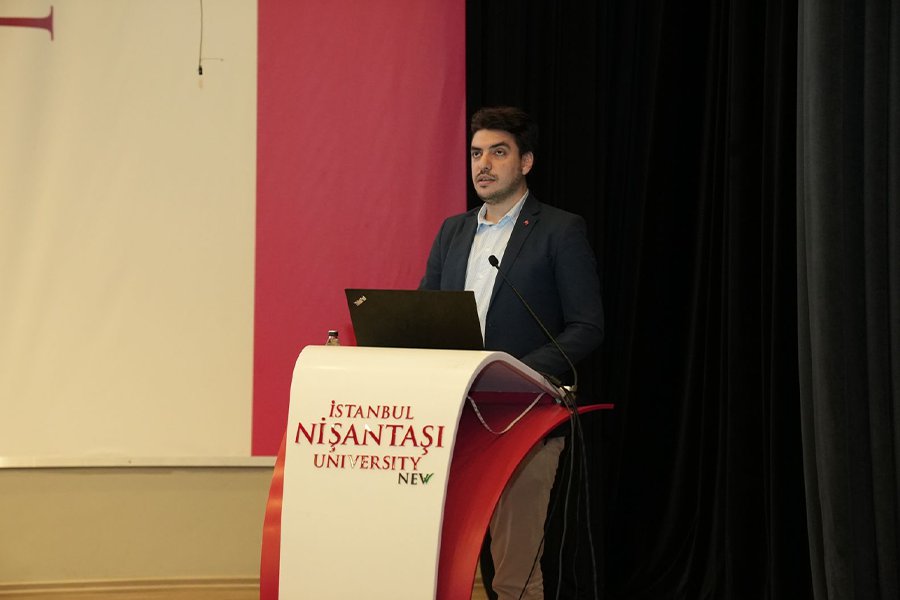
Asst. Prof. Dr. Mahmut Dağcı from Bezmialem University’s Faculty of Health Sciences discussed emerging healthcare technologies in infection control and patient care. He explained that smart medical devices widely used in Europe improve patient safety and reduce healthcare workers’ workloads. These devices, used where intensive care and sterilization are critical, integrate with systems such as genetic screening and infection monitoring. He noted that positive prototype results demonstrated the device’s potential for wider adoption.
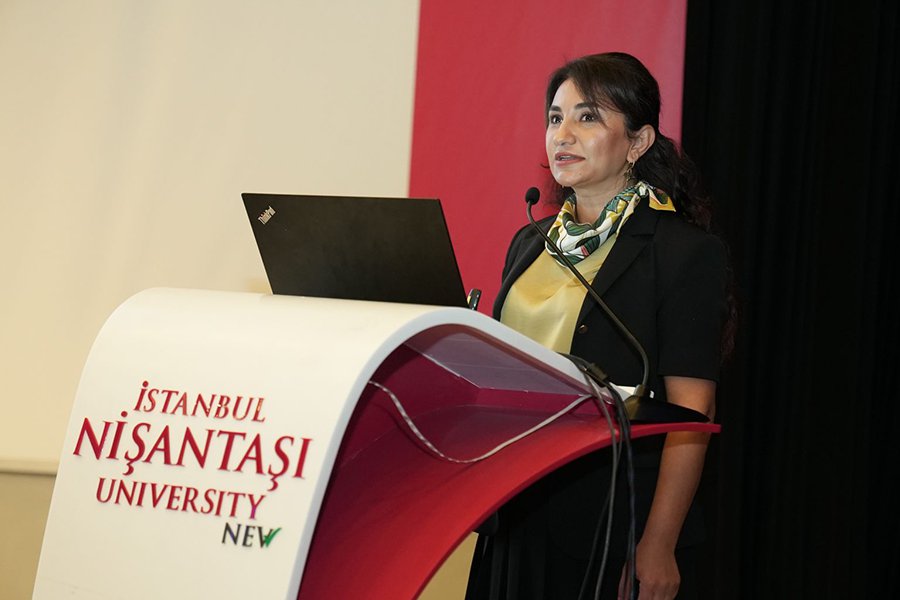
Prof. Dr. Yazile Sayın from Rumeli University’s Faculty of Health Sciences highlighted the ethical and legal responsibilities accompanying digitalization. Innovations such as AI-assisted diagnosis and remote healthcare also raise important issues of patient privacy and data security. Emphasizing that vulnerabilities in digital systems can threaten individual and public health, she stated that ethical and legal considerations are vital to sustainable digital transformation.
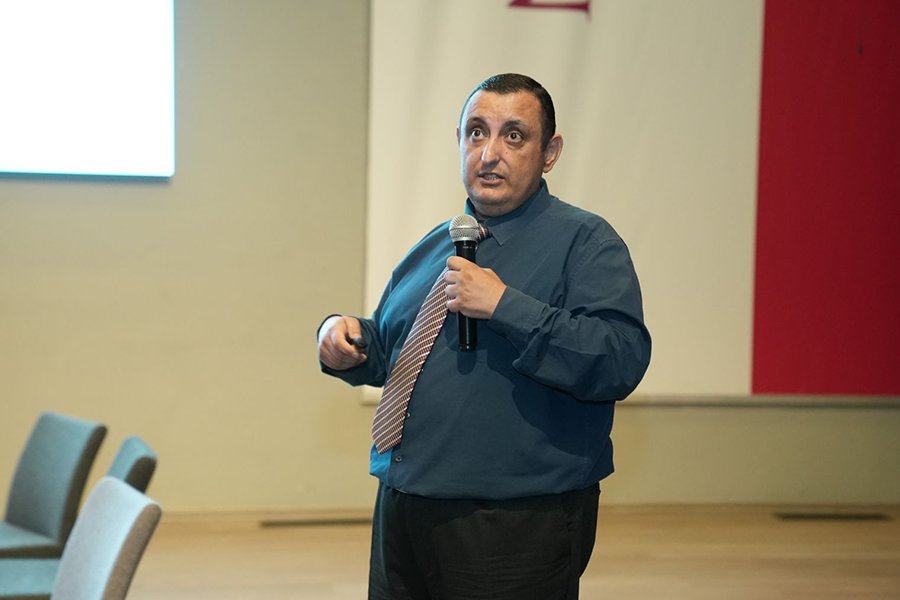
Prof. Dr. Serdar Sarıtaş from Malatya Turgut Özal University’s Faculty of Medicine discussed how orientation problems in space affect human physiology. He stated that astronauts’ loss of orientation in a three-dimensional space environment can have serious physiological and neurological consequences. He explained that the absence of gravity disrupts vestibular function; when otoliths cannot contact receptors in the inner ear, people cannot perceive their body position, a condition described as “space disorientation.” He concluded that space travel is highly complex not only technologically but also physiologically and psychologically.
The symposium concluded successfully, providing participants with a comprehensive perspective on digitalization’s multifaceted effects on healthcare through scientific, ethical, technological and human considerations.