Panel on the Economic and Financial Market Outlook and Expectations
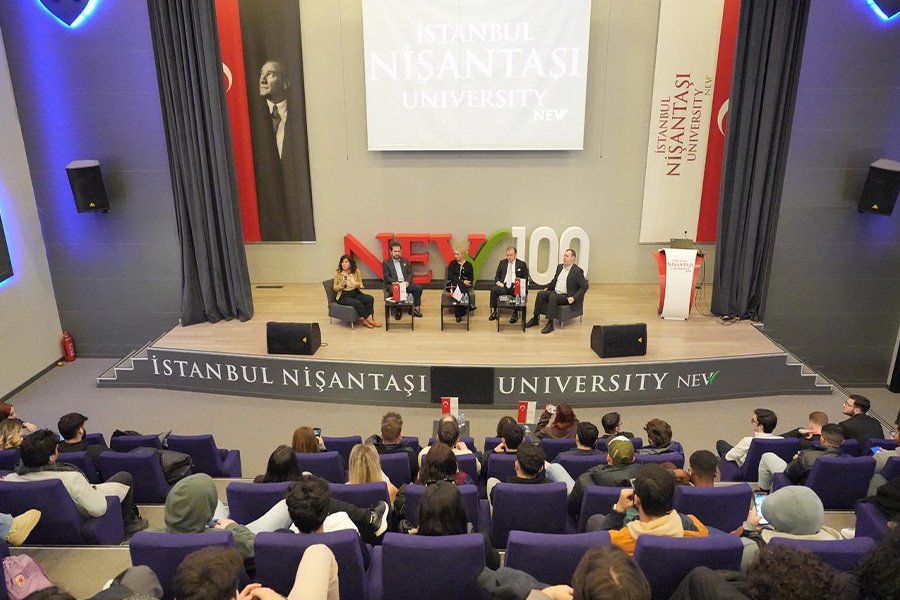
At the economics panel, academics and industry representatives assessed inflation, income inequality, social policies, and financial markets. The professional training event supported students’ economic and industry awareness.
Professional Training, Income Inequality, and Financial Awareness in Economics
Organized by the Economics Club, the panel on the Economic and Financial Market Outlook and Expectations began under the moderation of Prof. Dr. Zeynep Ökten from the Faculty of Economics, Administrative and Social Sciences. Introducing the guests, she anticipated a productive event and assessed income inequality, inflation and fiscal policies’ effects on the economy.
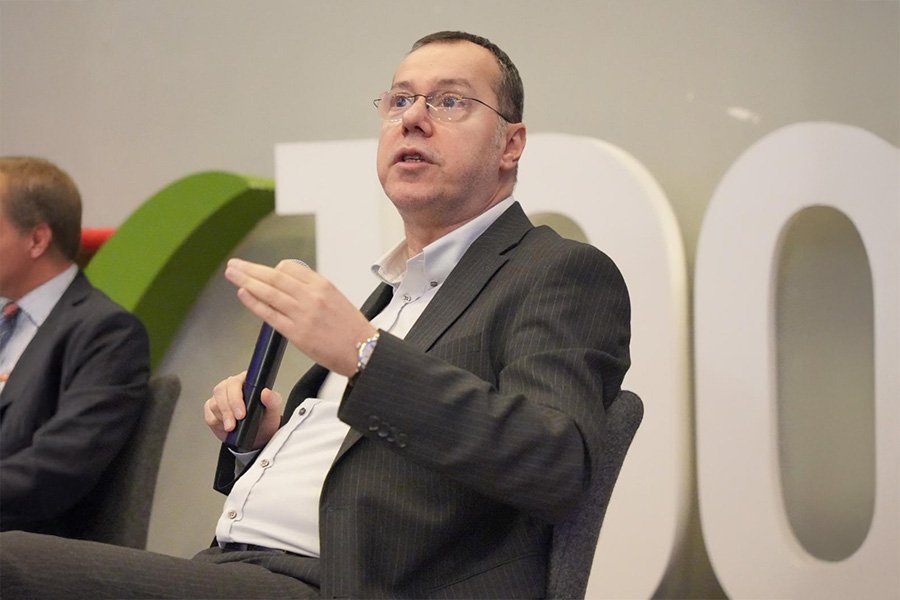
Bahçeşehir University faculty member Prof. Dr. Hakkı Öztürk first discussed the transformation of financial markets. He stated that accommodative monetary policies in 2021–2023 contributed to inflation and exchange rate increases, that lower gold imports reduced the current account deficit, and that high interest rates adversely affected industry. He predicted continued Turkish lira appreciation over the next six months and recovery beginning in 2025 through central bank policies.
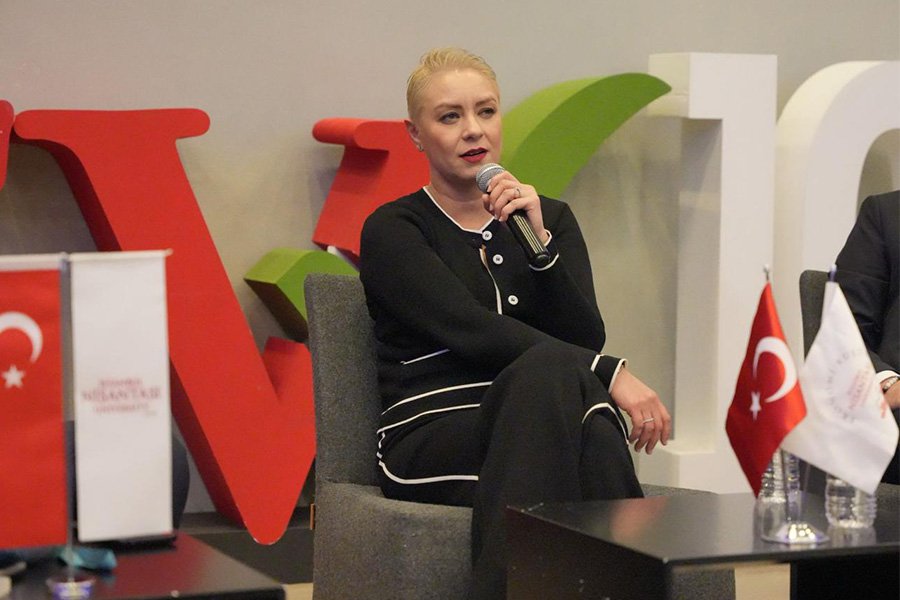
İnfo Yatırım Corporate Communications Director Mine Uzun discussed the stock market’s future and investment strategies. She expected Türkiye’s removal from the grey list and credit rating improvements to benefit the market. She recommended a balanced portfolio of equities, Turkish lira bonds and safe-haven assets, noting that earthquake-related and foreign policy developments could benefit steel, telecommunications and banking.
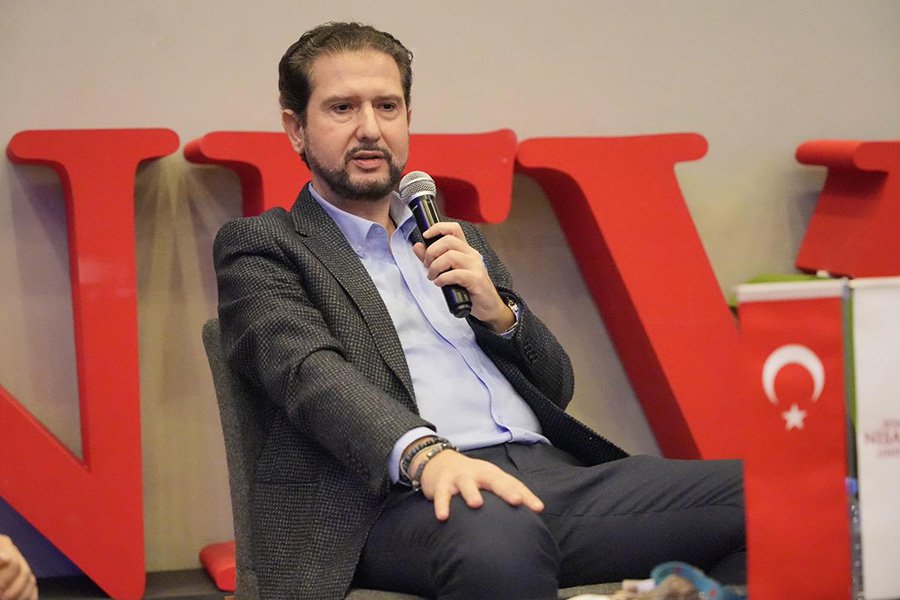
İnfo Yatırım Deputy General Manager and Economist Mert Yılmaz assessed the global and Turkish economies. He discussed the global effects of changes in Federal Reserve interest rate policies and the social consequences of income inequality and inflation in Türkiye. Emphasizing that social policies can increase welfare, he advised young people to develop themselves to participate in the system.
Finally, faculty member Dr. Fatih Anıl shared assessments of economic policies and future expectations. He stated that the return to rational policies in 2023 was a step in the right direction. Central bank policies alone would not suffice to reduce inflation, and substantial savings measures were necessary. He also suggested that post-war construction could become an important investment field and that food inflation had acquired a psychological dimension.
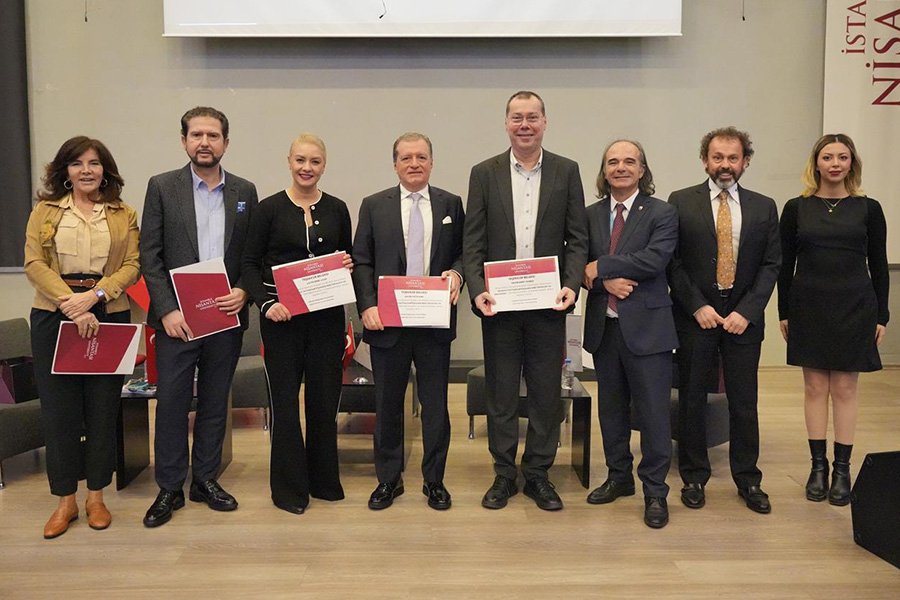
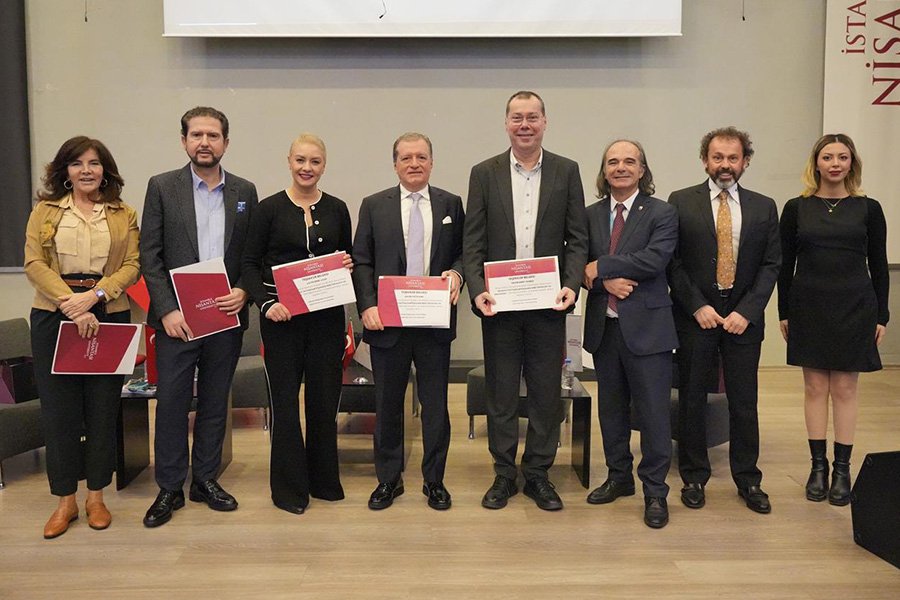
The panel concluded with questions and certificates of appreciation for guests. Students gained economic and financial market knowledge, developed future strategies and increased industry awareness. We thank all speakers for their valuable contributions.