Istanbul Nişantaşı University Hosts Panel on “The Impact of July 15 on Turkish Foreign Policy”
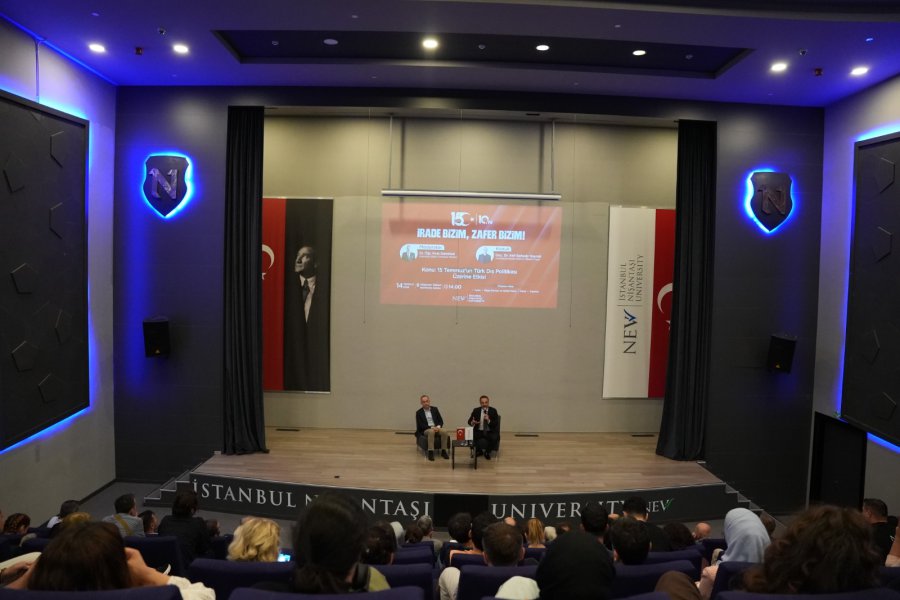
A panel marking 15 July Democracy and National Unity Day examined the attempted coup’s effects on Turkish foreign policy, considering its historical and international dimensions alongside democratic values and collective memory.
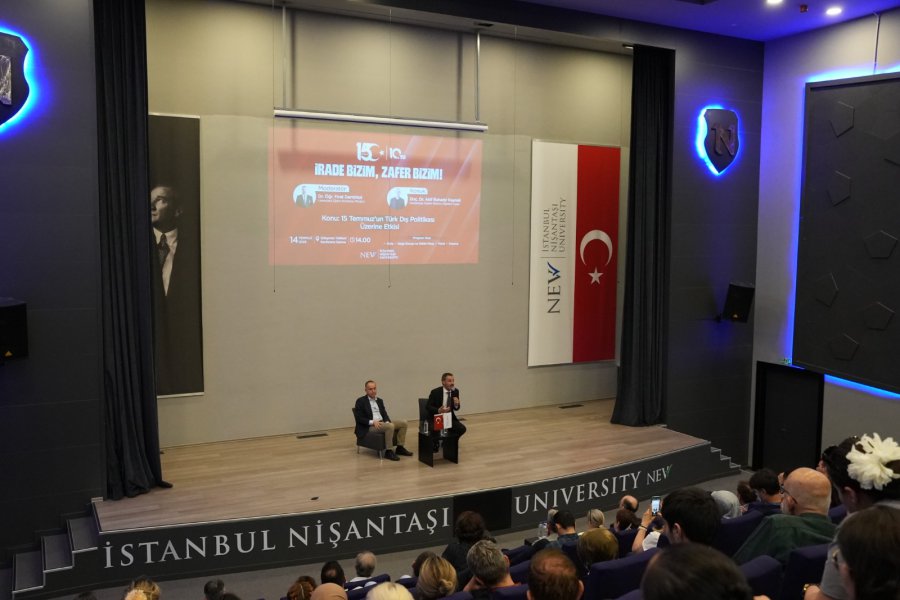
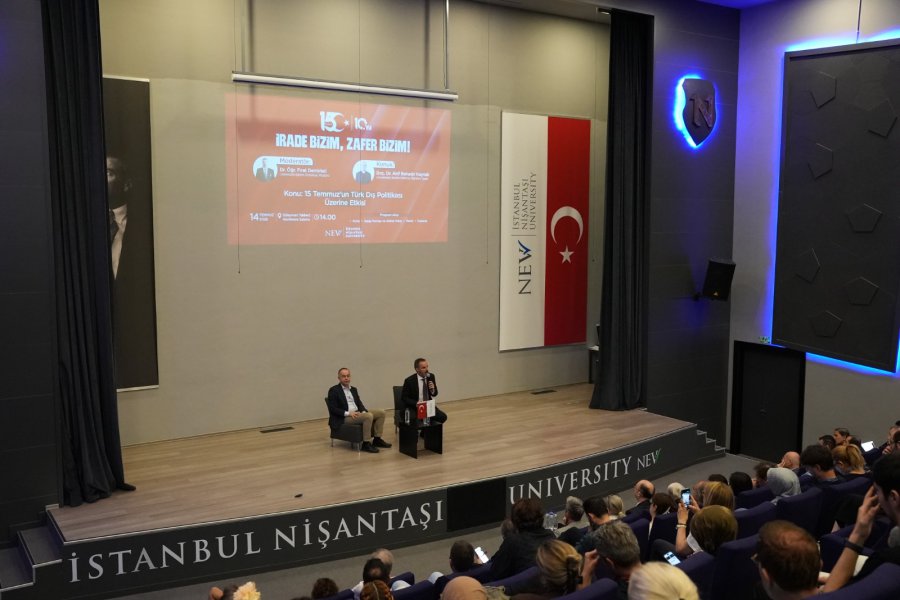
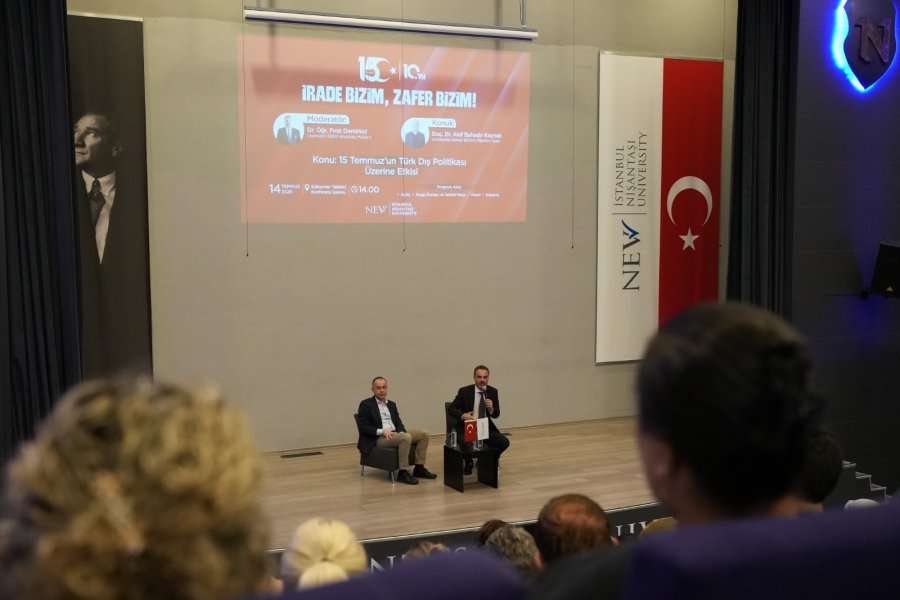
Istanbul Nişantaşı University held a panel titled “The Impact of July 15 on Turkish Foreign Policy” as part of July 15 Democracy and National Unity Day.
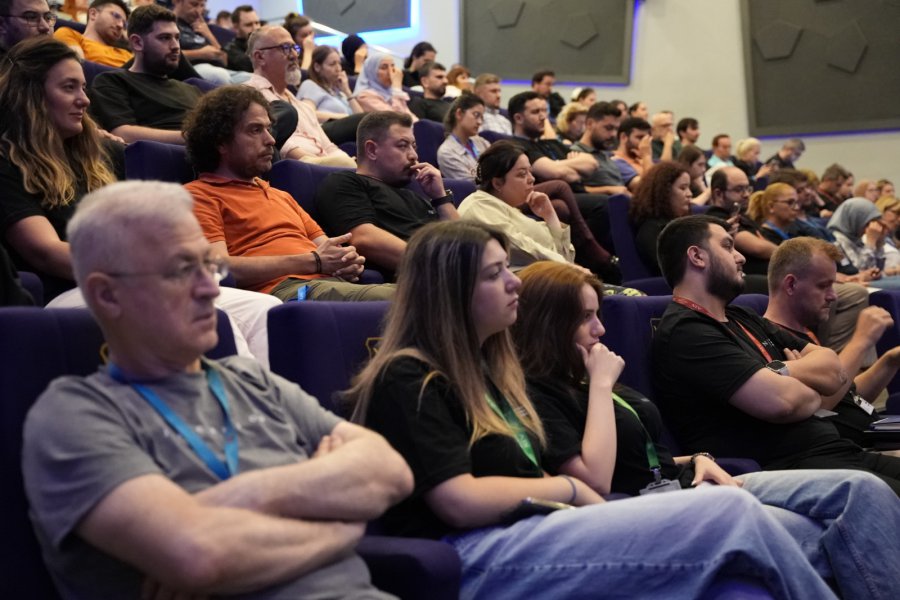
Rector Prof. Dr. Ayşegül Komsuoğlu Çıtıpıtıoğlu, vice rectors, the secretary general, deans, academic and administrative managers, faculty members, administrative staff and students attended.
The panel was moderated by Assistant Professor Fırat Demirkol, Director of the Graduate School. Held on the anniversary of the defeat of the treacherous July 15 coup attempt by the national will, the program comprehensively examined the effects of the FETÖ terrorist organization’s coup attempt on Türkiye’s domestic and foreign policy from an academic perspective. In his opening remarks, Demirkol described the coup attempt as a major turning point for Türkiye’s domestic and foreign policy. He stated that Türkiye had not received the support it expected from the international community after July 15 and that this reinforced its determination to strengthen domestic and national defense industry capacity and reduce foreign dependence. He said Türkiye had now reached a position where it could meet its own defense industry needs and rank among the world’s leading exporters.
Rector Prof. Dr. Ayşegül Komsuoğlu Çıtıpıtıoğlu emphasized that the July 15 coup attempt was an attack on Türkiye’s democratic order, constitutional institutions and the will of the people. She stated that coups and attempted coups throughout the Republic’s history had negatively affected democratization, development and social peace, and described the night of July 15 as a historic turning point when the nation resolutely demonstrated its commitment to democracy. She also noted that university programs contribute significantly to strengthening historical awareness and collective memory.
International Relations faculty member Assoc. Prof. Dr. Akif Bahadır Kaynak stated that Türkiye and the world were in a very different geopolitical environment on the tenth anniversary of the coup attempt. He said Türkiye–US relations had entered a search for a new balance following the rupture after July 15, while the process of establishing a buffer zone in Syria, beginning with Operation Euphrates Shield, had necessitated closer relations between Ankara and Russia. He noted that the Ukraine War, entering its fifth year, and recent developments in Syria had created new circumstances strengthening Türkiye’s regional position.
Addressing the transformation of Europe’s security architecture, Kaynak stated that, as also seen at the NATO Summit in Ankara, Europe was seeking a more autonomous structure with stronger security capacity, and that these developments were bringing about a new international balance.
The event emphasized the importance of examining July 15’s historical, political and international dimensions academically to strengthen democratic values and keep collective memory alive.