
Prof. Dr. Devran Tan’s Successful Work in Art Therapy
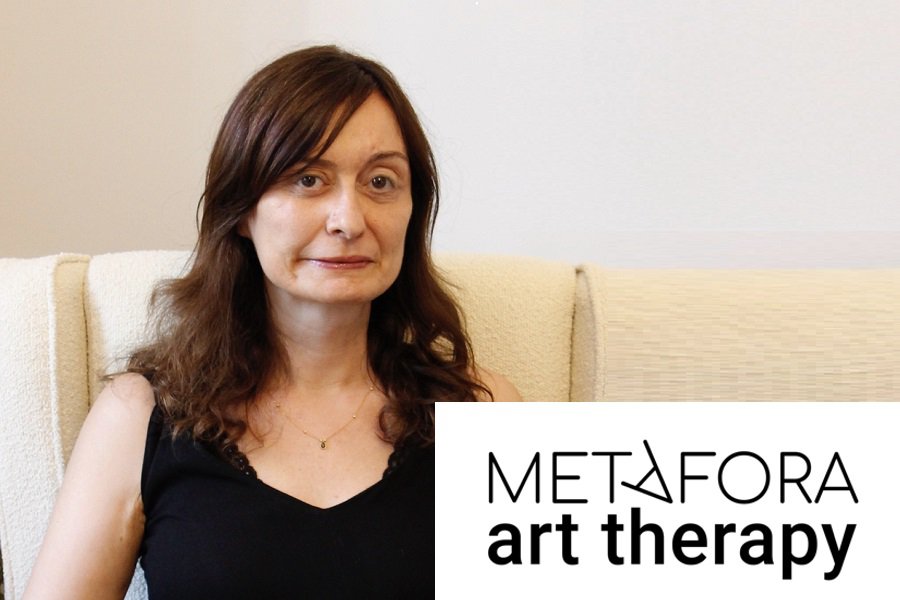
Prof. Dr. Devran Tan’s Metàfora art therapy master’s study examined adult women’s interpersonal and social skills, evaluating practices supporting emotional well-being and self-awareness.
Prof. Dr. Devran Tan, a faculty member in our Clinical Psychology Programme studying in the Metàfora Art Therapy MA programme, continues her clinical and academic development through her final project.
Study Details and Significance
The study was conducted within the Art Therapy master’s programme at the Metàfora Centre for Art Therapy Studies in Barcelona. Metàfora establishes internship agreements with relevant centres. After all documents were approved by both Metàfora and the internship institution, İstanbul Nişantaşı University’s Graduate Programme Institute, and placement was arranged with the institute’s placement advisor, eight hours of practice were undertaken weekly. Five hours were spent at the practice centre, including three hours of sessions and time for meetings and preparation; the remaining three hours were devoted to session evaluations, reading, study and preparation.
Aim
The general objectives were to support emotional health and wellbeing and facilitate social adjustment. The intervention group was evaluated under “The Effect of Art Therapy on Interpersonal and Social Skills in Healthy Adult Women.” Art therapy aimed to help individuals re-establish and strengthen emotional connections with themselves and others by increasing self-awareness, self-efficacy, self-esteem and interpersonal communication and reducing anxiety. Creative work helped clients alleviate difficult feelings and memories.
Activities Undertaken
Observation Period: Observation at the centre began on 16 October 2023. This included contact with the centre’s advisor, facility visits, learning its dynamics, attending team meetings and providing information about Metàfora’s art therapy programme.
Intervention Proposal: Art therapy contributed to developing interpersonal and social skills among healthy women staff members in different departments. They had experienced difficulties improving and maintaining relationships. In an environment where relationships with the therapist and art materials helped them feel safe and included, expressing difficult past experiences through artworks supported relief and opened a path to discovering meaning in their work. Revisiting a difficult event in an emotionally safe setting enabled them to tell their stories, feel understood and share their pain with an empathetic, compassionate therapist.
Referral Method: Two university staff members who were not receiving mental health support elsewhere and were interested in art materials and curious about art therapy joined the sessions. Following an introductory meeting, the therapeutic framework was explained and an agreement established before sessions began.
Assessment and Treatment: Between 10 January 2023 and 5 June 2024, weekly Wednesday sessions of 50 minutes per client were held, excluding public holidays. Each client signed informed consent forms. Reviewing the process during the final sessions before closure, clients expressed satisfaction with participating and reported noticing changes in their personal lives.
Results
Art therapy enabled the women in this group to begin reflecting on and analysing conflicts, coping mechanisms and personal characteristics that made their lives chaotic, primarily fostering self-awareness. For an art therapist, it is valuable to experience creating an art therapy setting, maintaining a therapeutic framework in the room and throughout the process, relating to a client, materials and artworks, and ultimately observing changes in clients and their artworks.
We congratulate Prof. Dr. Devran Tan of the Graduate Education Institute’s Clinical Psychology Programme and wish her success in her work.