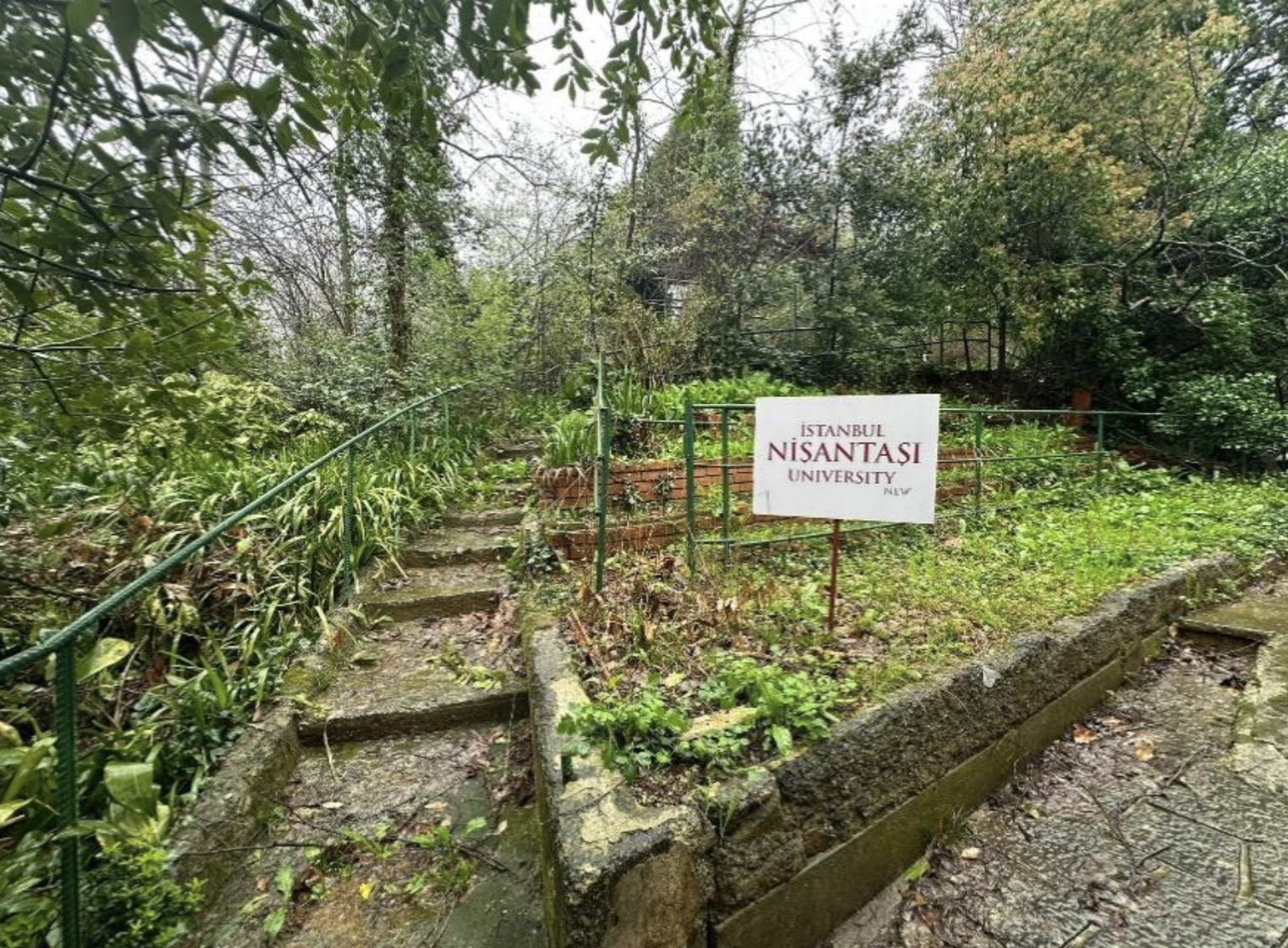
İstanbul Nişantaşı University implements water pollution prevention measures through a combination of biological treatment technologies, centralized wastewater infrastructure, and regular maintenance practices integrated within the Maslak 1453 campus management system.
Biological Wastewater Treatment (BioAmp 600)
To reduce pollution loads within wastewater and drainage networks, the university utilizes the BioAmp 600 biological treatment system. The technology continuously introduces beneficial microorganisms into the drainage infrastructure, supporting the natural biological breakdown of organic waste, fats, oils, and other pollutants. This process improves effluent quality before discharge, reduces hazardous substance accumulation within pipe systems, and minimizes the environmental impact of campus wastewater on surrounding ecosystems.
Chemical Reduction
The biological treatment approach reduces the university’s reliance on chemical cleaning agents for drain maintenance, further lowering the risk of chemical pollutants entering the wastewater stream.
Grease Separation and Vegetable Oil Management
Grease separators are installed at campus kitchen and catering facilities to prevent fats, oils, and grease from entering the sewage system. Used vegetable oils are collected separately and transferred to licensed recycling companies, preventing discharge into drains or waterways.
Sewage Discharge Compliance
All campus wastewater is discharged through the public sewerage network managed by İSKİ (Istanbul Water and Sewerage Administration) and treated at Istanbul’s advanced biological wastewater treatment facilities, in compliance with the İSKİ Wastewater Discharge Regulations and national environmental legislation.
Infrastructure Maintenance
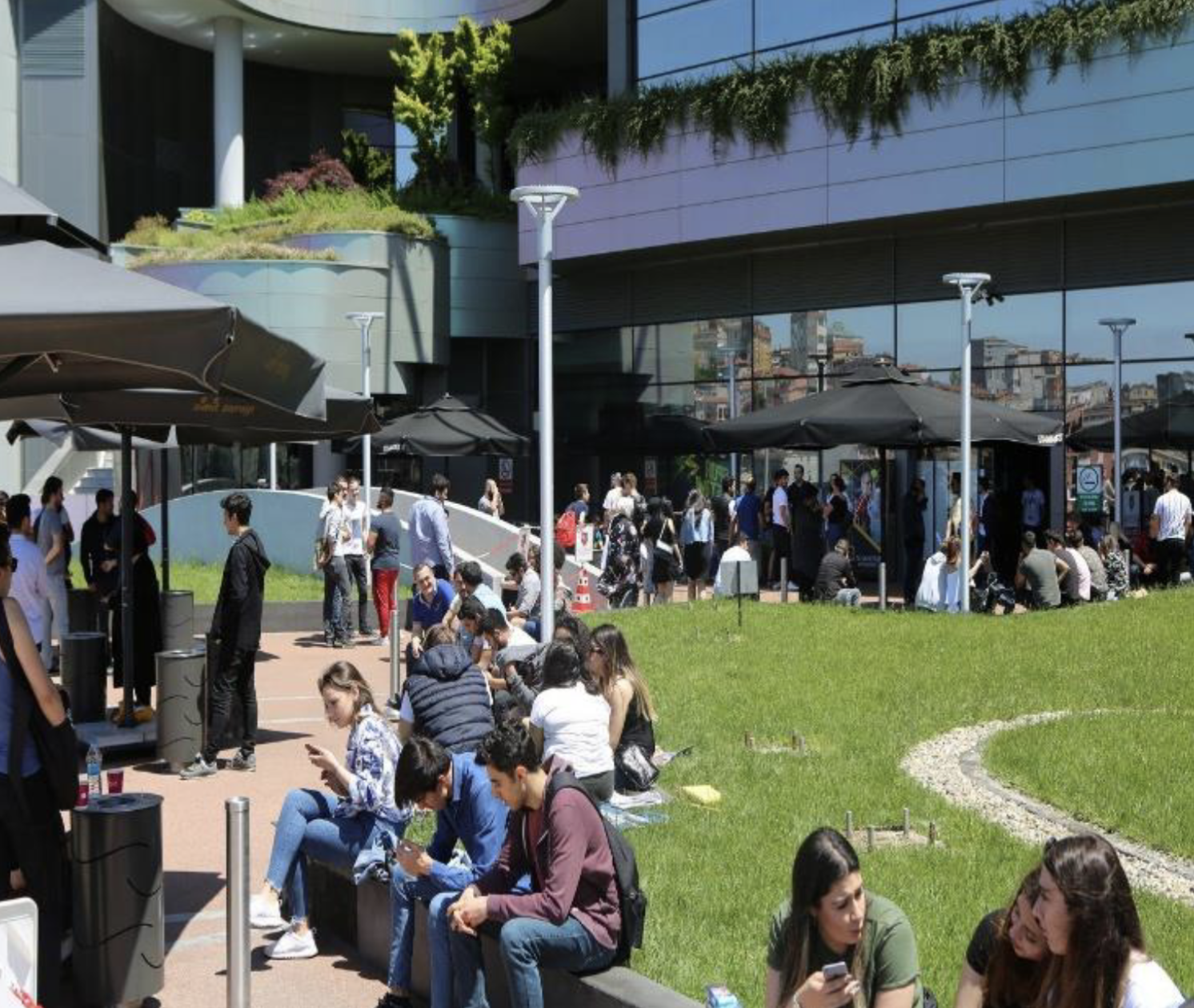
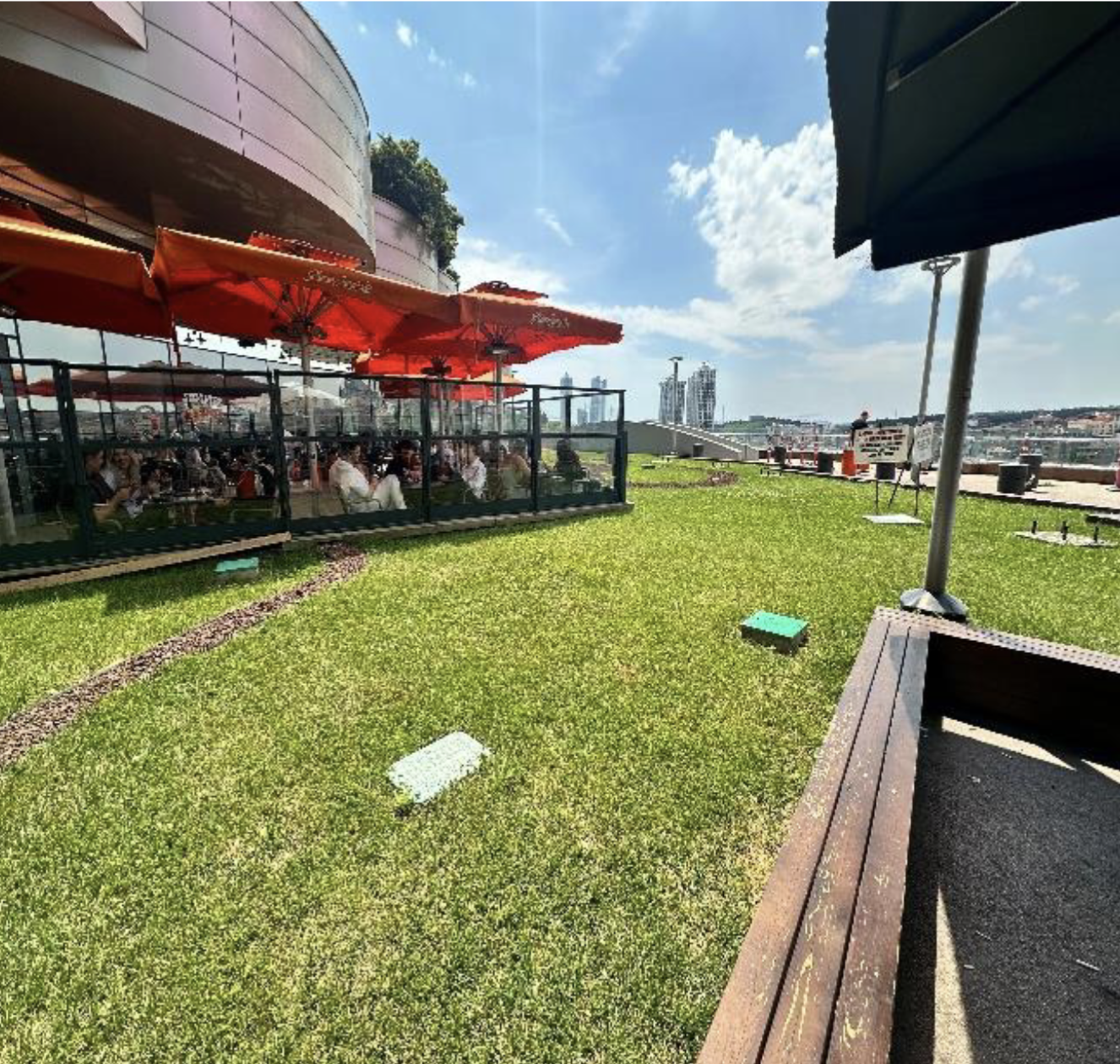
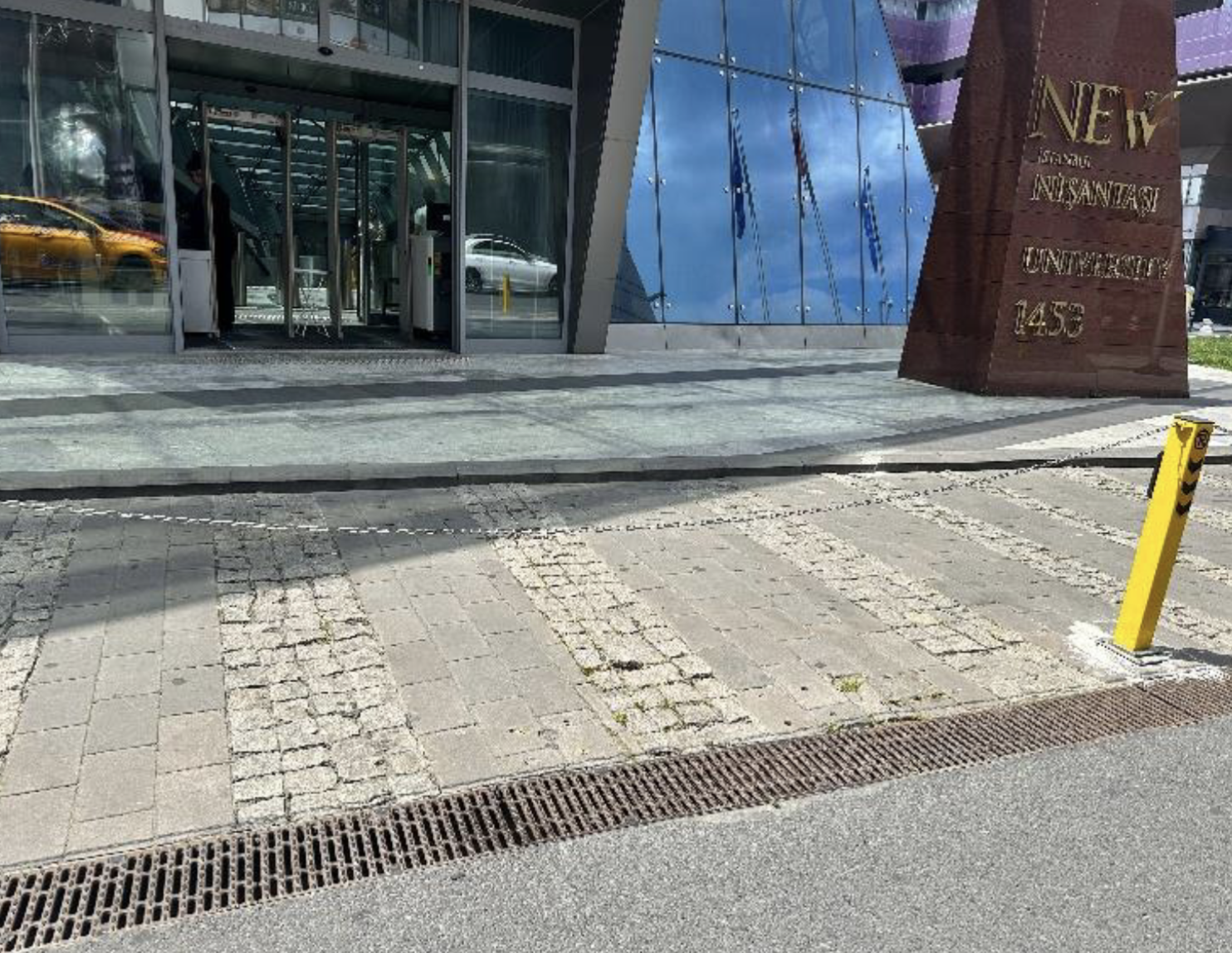
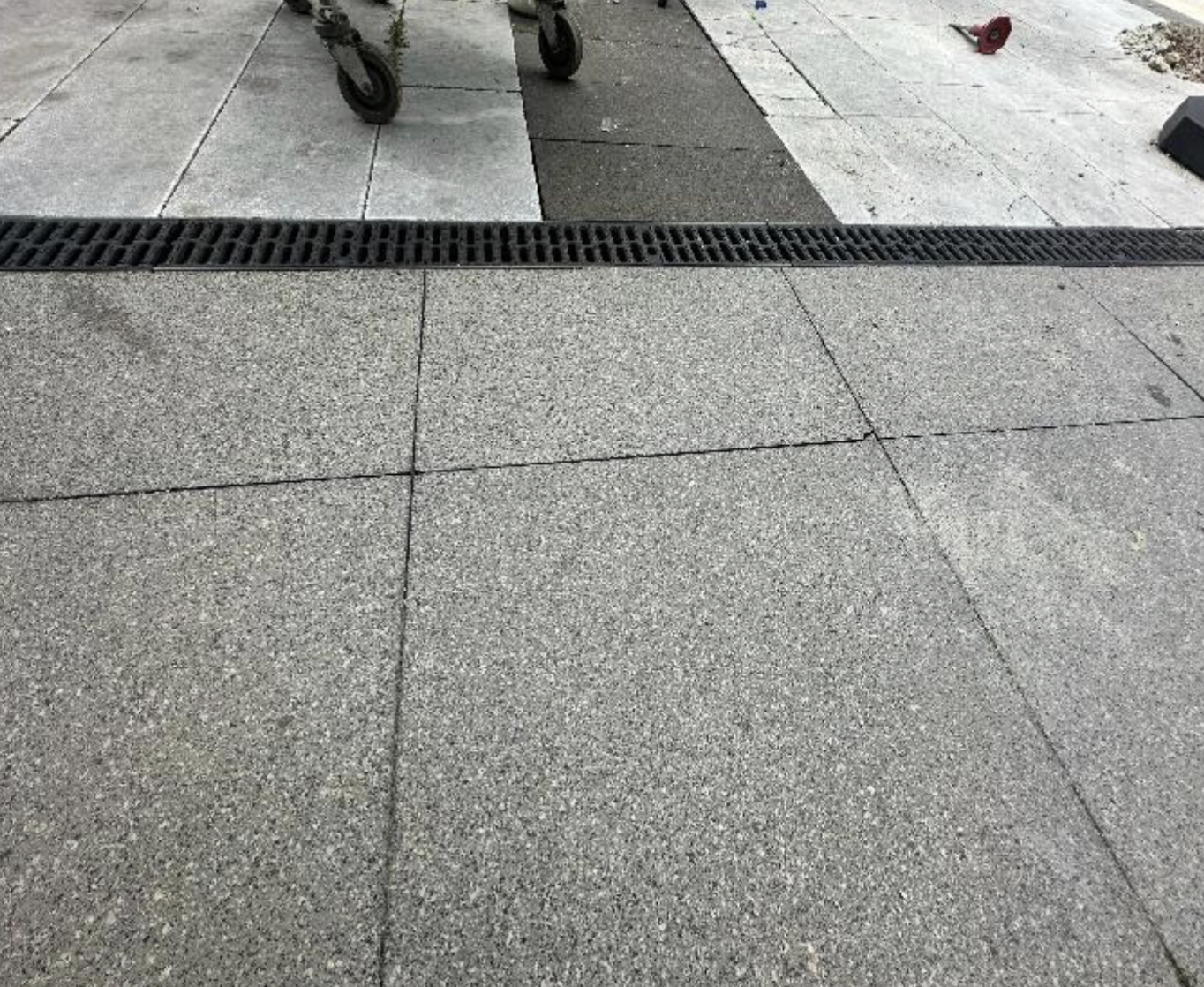
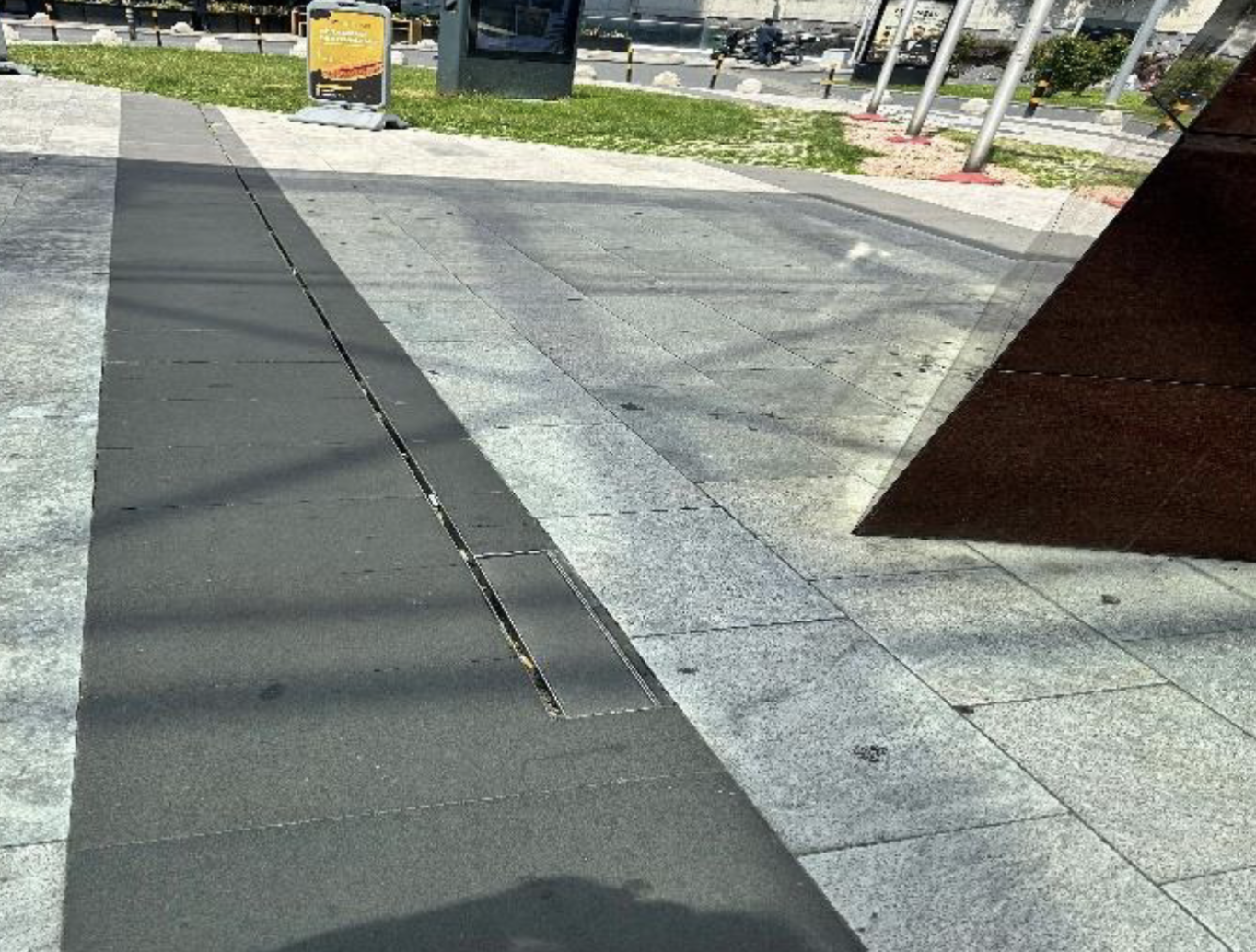
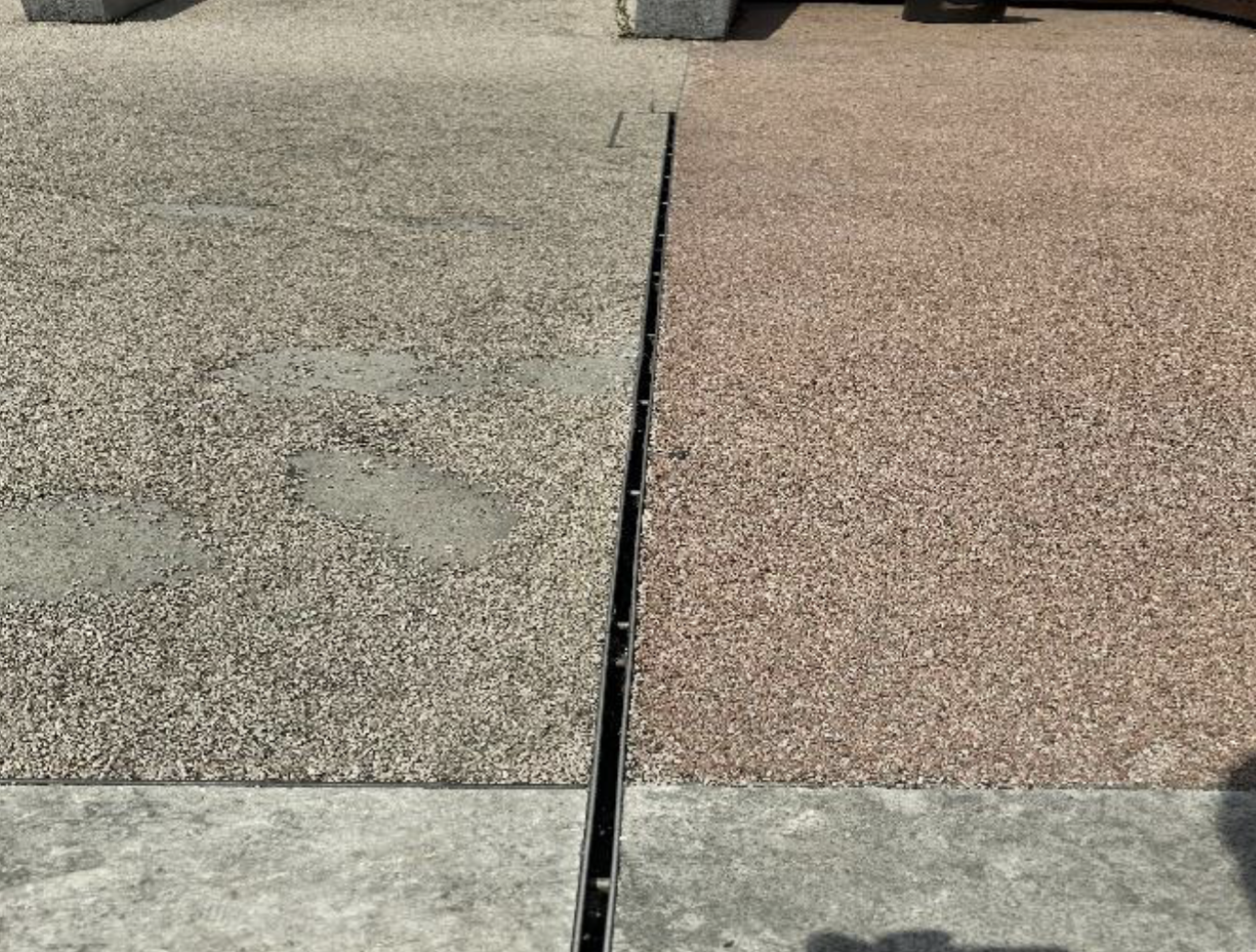
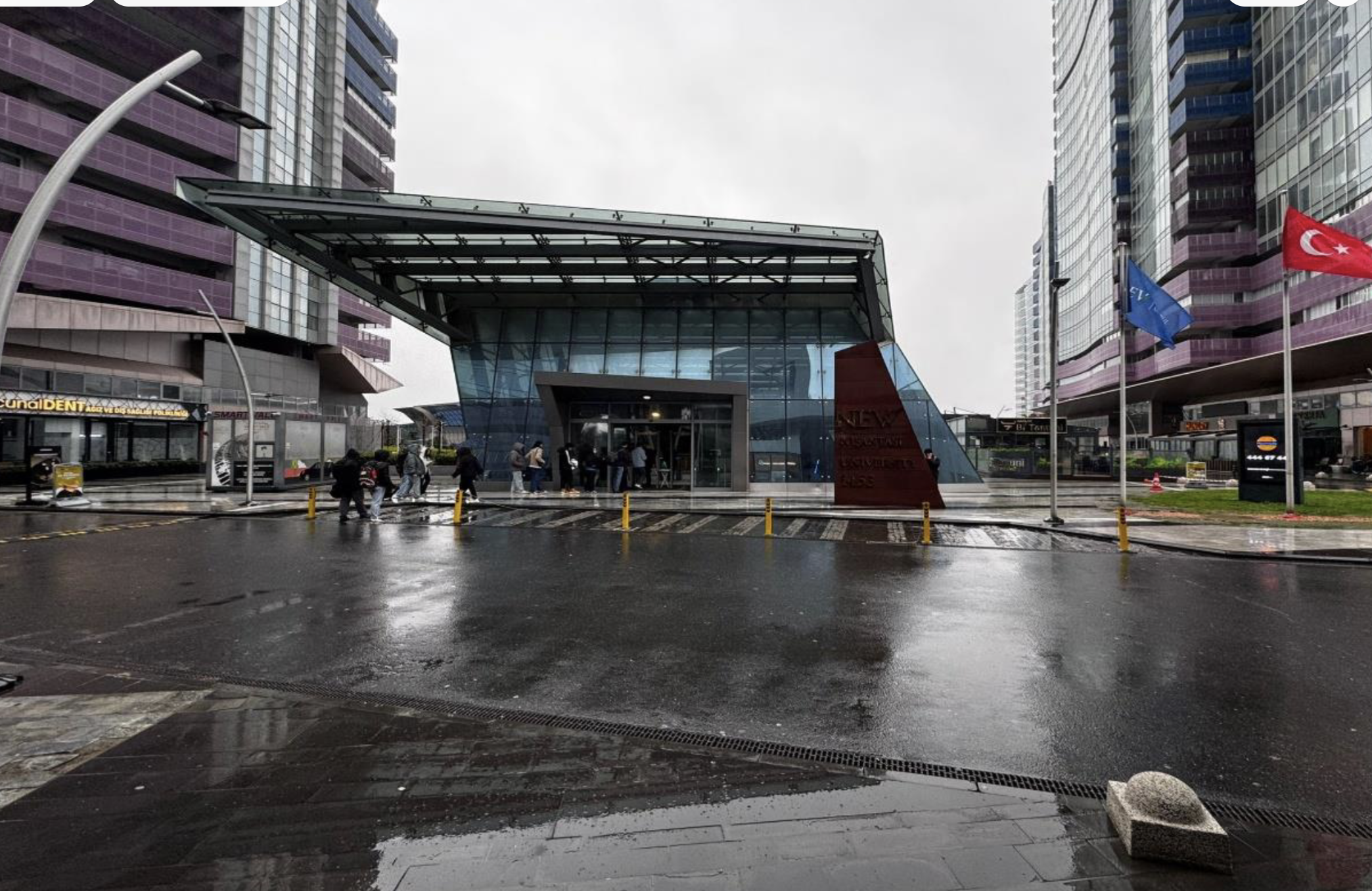
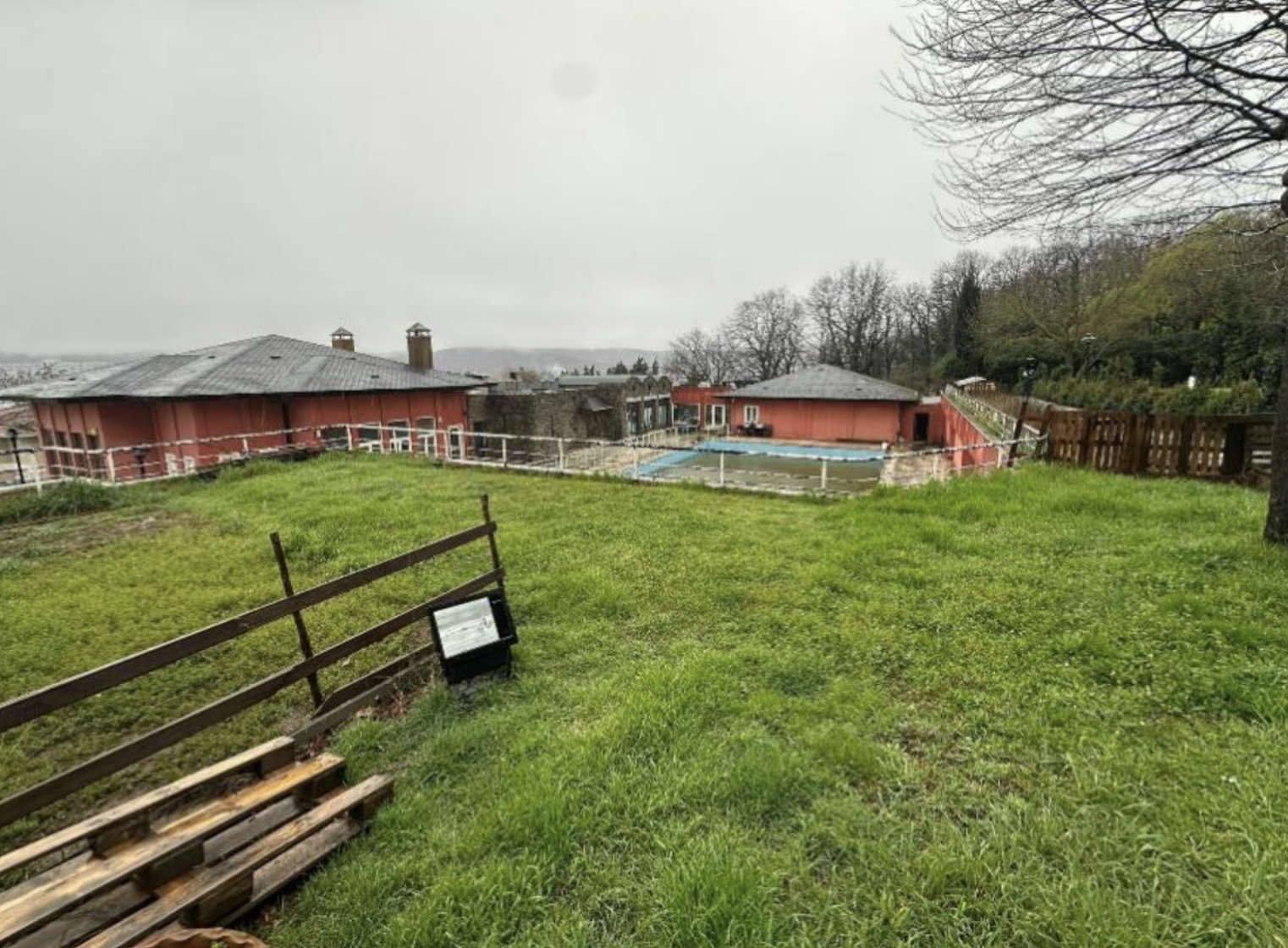
Drainage systems, wastewater lines, and related infrastructure components are regularly inspected and maintained to prevent leaks, blockages, and contamination events across campus facilities. Supporting evidence including facility documentation and infrastructure photographs is provided above In addition, waste water infrastructure is regularly maintained to ensure efficient operation and to support the prevention of water contamination within campus facilities. Drainage systems, wastewater lines and related infrastructure components are managed as part of the university’s broader environmental sustainability approach.